Customs Clearance Explained: What Every Importer And Exporter Should Know Customs clearance is the process of getting goods approved by customs authorities so they can legally enter or leave a...
Read More
Not every shipment moves best by a single mode. Universal Shipping & Logistics Inc. (USL) combines ocean, air, rail and road under one booking, coordinating each leg and the handoffs between them so your shipment never needs to be re-arranged every time it changes mode.
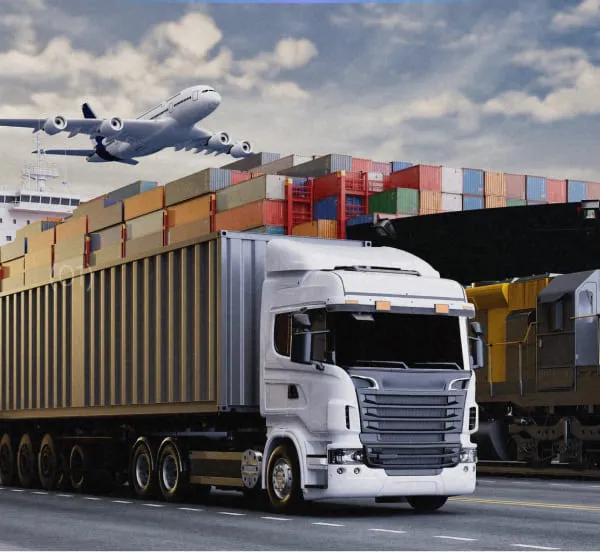
Multimodal transportation is a single shipment moving under more than one mode of transport, such as ocean and rail, or air and road, under one booking rather than separate arrangements for each leg.
USL plans the full route, coordinates the transfer points between modes, and manages the documentation that carries through the entire journey. This works best when no single mode covers a route efficiently on its own, or when combining modes gets cargo there faster or at a lower cost than one method the whole way.
Separate bookings for each leg, and separate vendors at every transfer point, is usually where delays and miscommunication start. Multimodal transportation puts the entire route, and the handoffs between modes, under one coordinated plan, so a shipment keeps moving without depending on several parties staying in sync on their own.
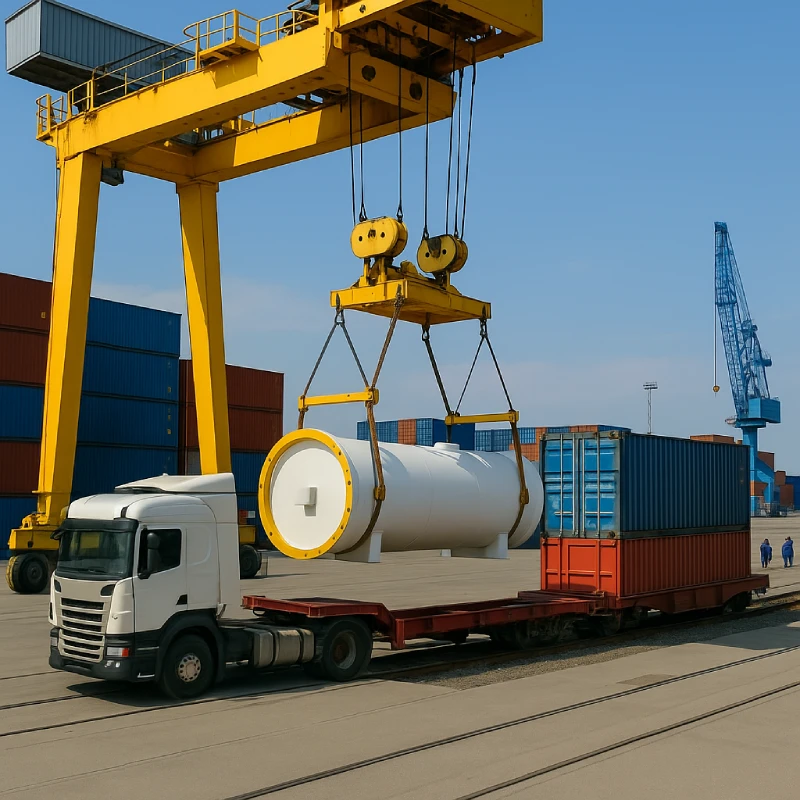
The entire route covered under one booking, pickup through final delivery, no matter how many modes it passes through.
Any mix of ocean, air, rail or road, planned around whatever combination actually gets your cargo there.
The same container moves across modes without unloading the cargo itself at each transfer point.
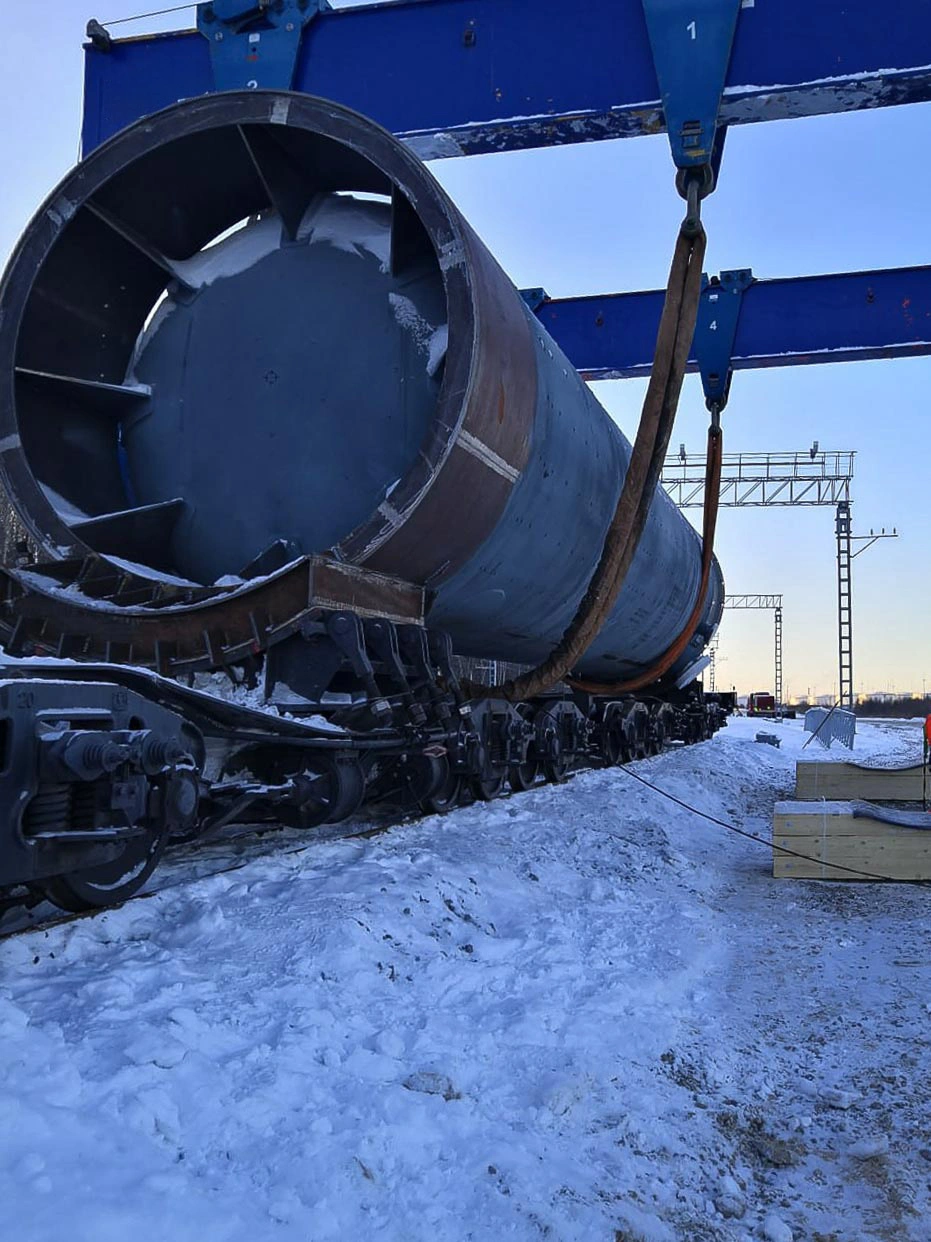
The ocean leg and the inland rail leg coordinated together, so arrival at port lines up with the next move inland.
The long-distance rail leg paired with the trucking that picks up where the rail line ends.
Air freight’s speed for the long haul, with trucking arranged on both ends for pickup and final delivery.
Ocean freight’s lower cost for most of the route, with air freight covering the final leg for speed.
Universal Shipping & Logistics Inc. (USL) has arranged freight for more than 5 years across more than 1,140 projects, with a 96.6 percent on-time record. For multimodal routes, that means one operations team plans the full journey, rather than each leg being handed to a different provider disconnected from the rest.
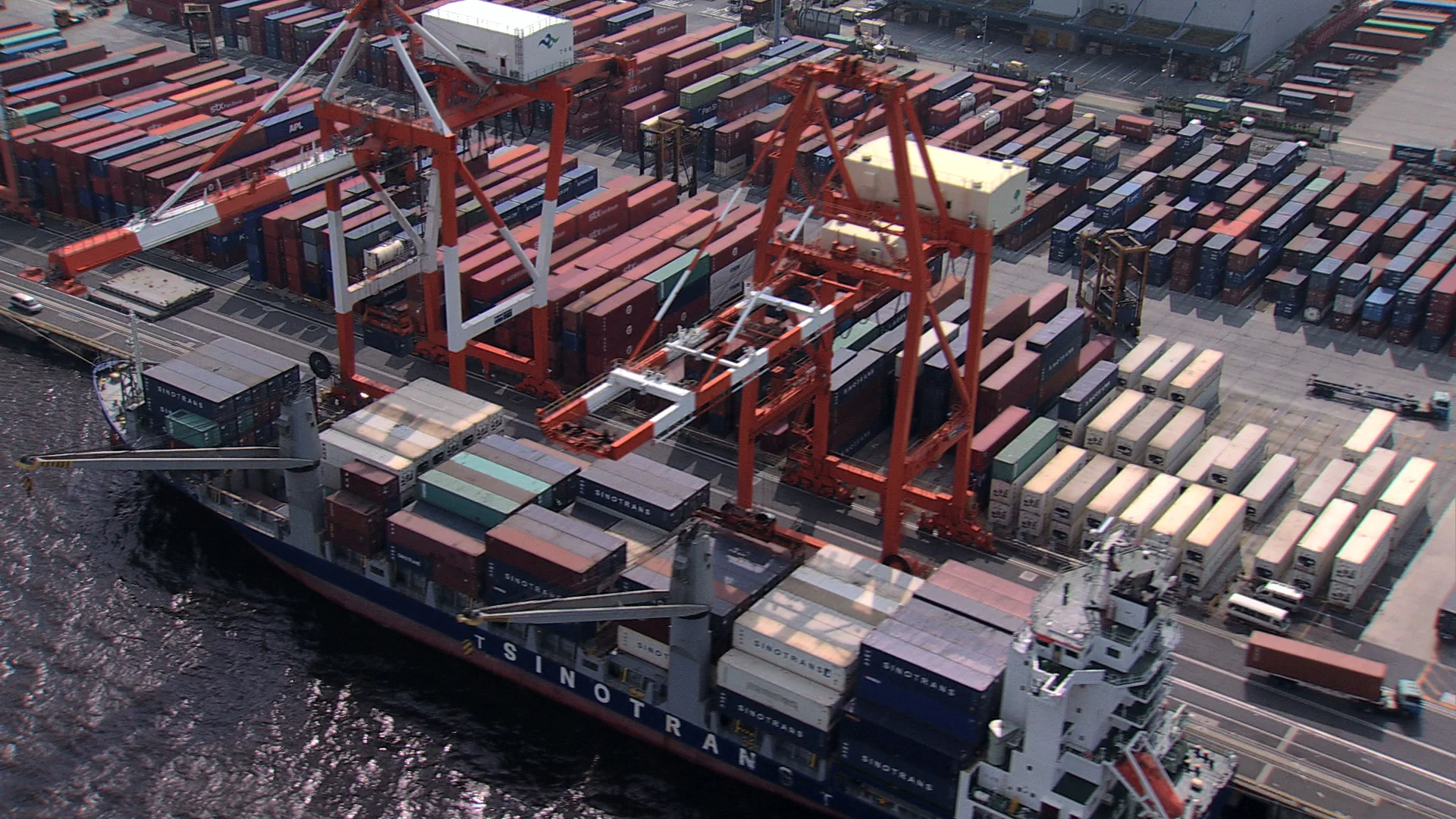
Share your shipment’s origin, destination, cargo details and timeline, and USL will build a route and pricing around what it actually needs.
Multimodal is the broader term for any shipment using more than one mode of transport. Intermodal is a specific type of multimodal shipping where the same container moves across those modes without the cargo itself being unloaded and reloaded at each transfer point.
USL looks at your shipment’s origin, destination, timeline and budget, then builds a route around whichever combination of ocean, air, rail or road gets it there most efficiently.
Not necessarily. Combining modes, such as ocean for the long-distance leg and road for final delivery, is often more cost-effective than relying on a single, pricier mode the entire way.
Usually one. That’s part of the appeal: one document, sometimes issued as a FIATA multimodal bill of lading, covers the entire route rather than a separate document for each leg.
Sea-air freight combines ocean freight for the long-distance portion of a route with air freight for the final leg, suited to shipments that need to move faster than ocean alone but don’t need air the entire way.
Yes, at whichever leg the shipment crosses a border. USL assists with the documentation and coordination that customs clearance requires at that point in the route, alongside the rest of the journey.
Share your shipment’s origin, destination, cargo details and timeline through the quote form, or speak with our team directly, and USL will build a route and pricing around what it needs.