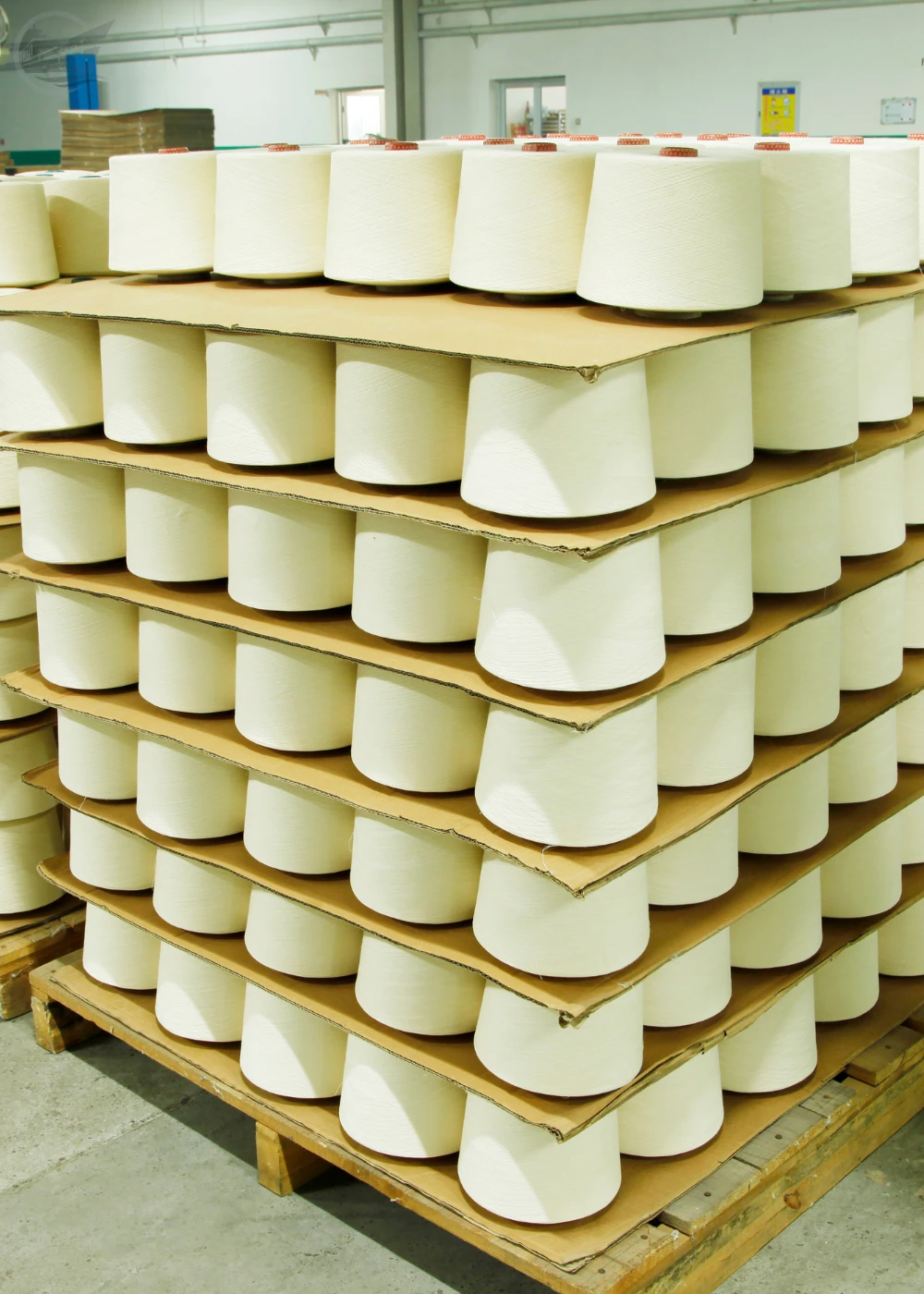
A shipment of fabric or finished garments that arrives with moisture damage or the wrong compliance paperwork does not just cost money, it can get held at the port or rejected by the buyer outright. Universal Shipping & Logistics Inc. (USL) coordinates textile freight forwarding for raw material, fabric and apparel shipments so cargo moves with the packing, documentation and handling this category actually needs.
how its works
What Is Textile Freight Forwarding?
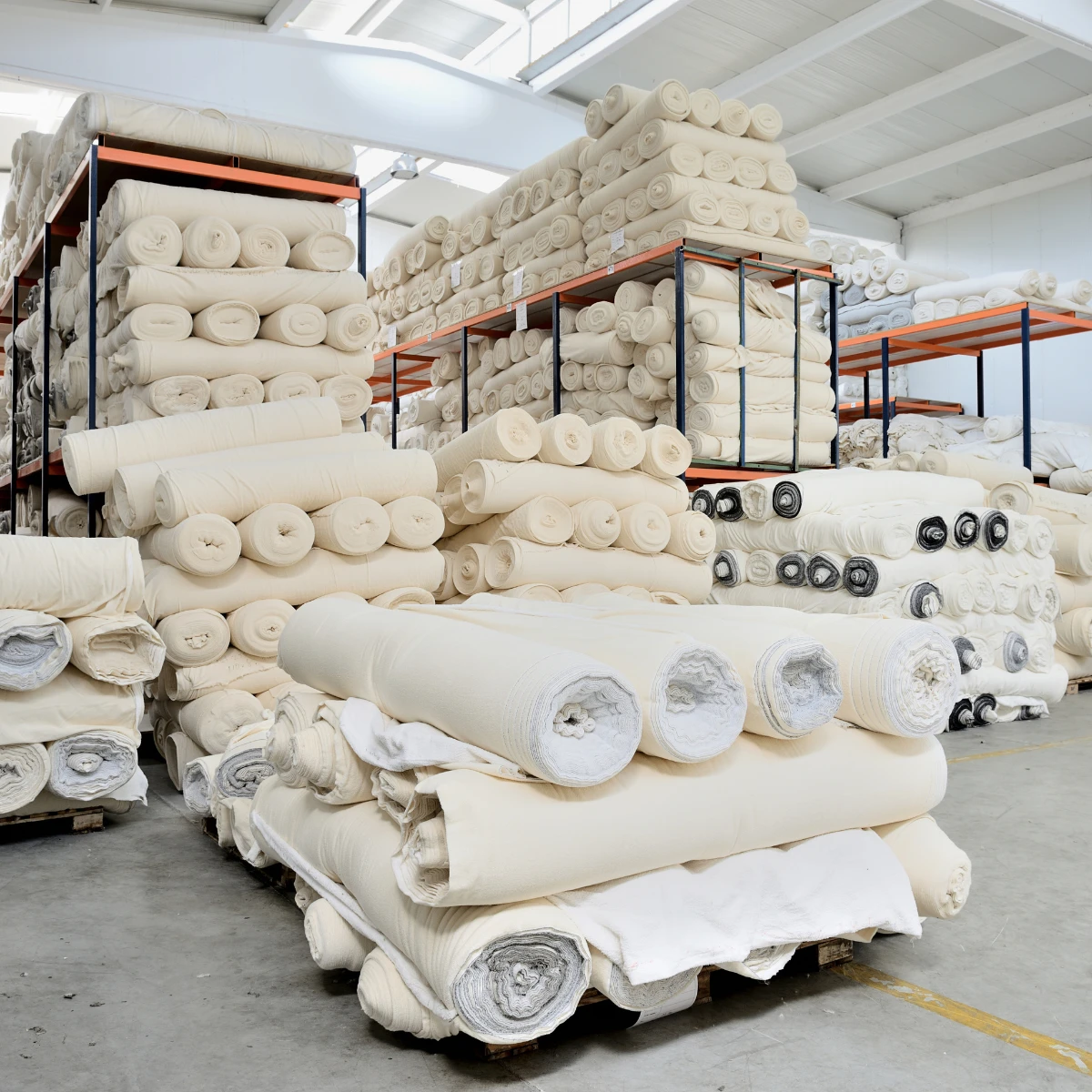
This covers moving raw fiber, fabric rolls, yarn and finished apparel between manufacturers, distributors and retail buyers, where moisture control and compliance documentation matter as much as the shipping method itself. Fabric rolls and finished garments are especially sensitive to condensation, known in the industry as container rain, which can ruin an entire shipment before it reaches the port of discharge.
This work also regularly involves the customs classification and country of origin documentation that retail buyers require before a textile shipment can clear customs and reach a warehousing and distribution center for fulfillment.
WHAT Chemicals SHIPMENTS REQUIRE
What These Shipments Actually Require
Meeting the requirements of textile freight forwarding starts with moisture control, not the fabric type. A shipment that looks fine at loading can arrive with mildew or staining if humidity and desiccant packing were not accounted for before departure.
- Humidity controlled containers or desiccant packing to prevent condensation damage
- Country of origin and compliance documentation for cotton, wool and synthetic fiber shipments
- Baled, rolled or cartoned packing matched to the fabric type and shipment volume
- Customs classification handled before the shipment reaches the border
WHY US?
Why Choose USL for Textile Freight?
Good freight forwarding for textiles gets judged on whether the cargo arrives dry and compliant, not just on time. This is where textile logistics differs most from standard freight: moisture and compliance documentation have to be planned before the container is sealed, not discovered after it is opened. USL treats humidity control and origin documentation as the starting point, coordinating the shipment around what the fabric or garment actually requires rather than treating every booking the same way.
- Humidity controlled and desiccant packing coordination for moisture sensitive cargo
- Country of origin and compliance documentation checked before booking
- Real time tracking from origin to final delivery
- Flexible FCL and LCL options for bulk fabric or smaller apparel shipments
- Part of a freight forwarder network that includes JCtrans and All Forward, reaching more than 60 countries
Ready to Ship Your Textile Freight With USL
Share your fabric type, shipment volume and country of origin details, and USL will build a plan around what your shipment actually needs. USL coordinates textile freight forwarding as part of a broader network reaching more than 60 countries.
FAQS
Textile Freight Forwarding Questions We Get Asked Often
What is freight forwarding for textiles?
It covers moving raw fiber, fabric rolls, yarn and finished apparel between manufacturers, distributors and retail buyers, with the moisture control, packing and documentation this category requires rather than treating it like a routine shipment.
Do you handle moisture and humidity control for fabric shipments?
Yes. USL coordinates humidity controlled containers or desiccant packing to help prevent condensation damage, known as container rain, during transit.
What is the difference between baled, rolled and cartoned textile packing?
Baled packing suits bulk raw fiber, rolled packing suits fabric yardage, and cartoned packing suits finished apparel and smaller volume shipments. Which one applies depends on the product type and shipment volume.
Do you handle country of origin documentation for textile imports?
Yes. USL coordinates the country of origin and compliance documentation retail buyers and customs require before a textile shipment can clear.
Do you check compliance with forced labor import restrictions?
Yes. USL coordinates shipments in line with the sourcing documentation required under the Uyghur Forced Labor Prevention Act, which restricts imports linked to forced labor in the Xinjiang region.
What happens if a textile shipment arrives with moisture damage?
A shipment with moisture damage can be rejected by the buyer or held for inspection, which is why USL plans humidity control and packing before the shipment is booked rather than after.
How do I get a quote for textile shipping?
Share your fabric type and shipment details through the quote form, or speak with our team directly. USL will build pricing and a delivery plan around your timing and compliance needs.